
Industrial metals rarely dominate headlines in the same way as technology stocks or energy markets, yet they remain among the most influential resources in the modern economy. From the buildings we live in to the transportation systems we rely on and the digital infrastructure connecting the world, these materials form the backbone of economic development. Their availability, pricing, and demand often reflect broader trends in manufacturing, construction, and innovation.
As economies evolve toward cleaner energy, advanced manufacturing, and expanding urban centres, industrial metals have become even more significant. Governments, businesses, and investors alike pay close attention to these essential resources because their role extends far beyond mining. Understanding why industrial metals continue to matter provides valuable insight into both today’s economy and tomorrow’s opportunities.
Industrial Metals Power Everyday Infrastructure
Industrial metals such as copper, aluminium, nickel, zinc, and steel are essential to nearly every major infrastructure project. Roads, bridges, commercial buildings, power grids, telecommunications networks, and water systems all depend on these materials for strength, conductivity, and durability. As countries continue investing in infrastructure modernisation, demand for these metals remains closely tied to economic expansion.
Urbanisation also contributes significantly to long-term consumption. Developing regions continue building housing, transportation networks, hospitals, schools, and industrial facilities to support growing populations. Even mature economies regularly replace ageing infrastructure, creating ongoing demand rather than one-time spikes. This steady need helps explain why industrial metals remain fundamental economic indicators.
Many economists and international organisations monitor industrial metal demand as a measure of manufacturing health. Rising consumption often reflects increased factory output, construction activity, and industrial investment, while slowing demand can indicate broader economic uncertainty. This relationship makes industrial metals important not only to producers but also to policymakers, businesses, and financial markets.
The Energy Transition Is Creating New Demand
The global shift toward renewable energy has dramatically expanded the importance of several industrial metals. Solar panels, wind turbines, battery storage systems, and electric vehicles all require substantial quantities of copper, nickel, lithium, aluminium, and other critical materials. As governments and private industries pursue lower-carbon technologies, demand for these resources continues to evolve.
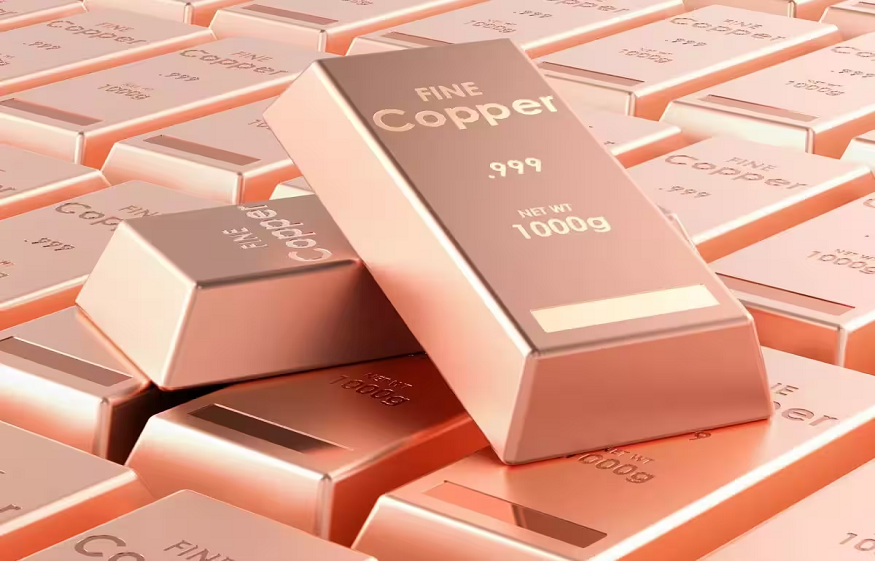
Copper stands out because of its exceptional electrical conductivity. Electric vehicles require considerably more copper than traditional vehicles, while renewable energy systems depend on extensive wiring and grid connections. Investors seeking to understand this growing market often research how to invest in copper as they explore industries positioned to benefit from expanding electrification and infrastructure development.
Industry experts, engineering organisations, and energy agencies broadly recognise that achieving ambitious electrification goals will require significant investments in mining, refining, recycling, and supply chain resilience. This growing consensus highlights that industrial metals are not simply commodities but strategic resources supporting the transition toward cleaner energy systems.
Supply Chains Influence Global Markets
Industrial metals are extracted, processed, transported, and manufactured through highly interconnected global supply chains. Political developments, trade policies, transportation disruptions, labour shortages, and environmental regulations can all affect production and pricing. Because supply is concentrated in certain regions, unexpected events may influence markets across multiple industries.
Mining projects also require years of planning, permitting, financing, and construction before production begins. This lengthy development process makes supply less flexible than demand, meaning prices can respond quickly when consumption increases unexpectedly. Businesses that depend heavily on industrial metals often manage this uncertainty through long-term purchasing agreements and diversified sourcing strategies.
Recycling has become an increasingly valuable component of the supply. Metals such as copper and aluminium retain their properties after repeated recycling, allowing manufacturers to reduce waste while improving resource efficiency. Circular economy initiatives continue expanding worldwide, helping supplement newly mined materials while supporting sustainability objectives.
Innovation Is Expanding the Role of Industrial Metals
Technological advancement continues creating new applications for traditional industrial metals. Data centres, artificial intelligence infrastructure, semiconductor manufacturing, telecommunications equipment, and advanced robotics all require reliable supplies of high-quality materials. As digital transformation accelerates across industries, demand extends well beyond conventional construction and manufacturing.
Manufacturers are also developing lighter, stronger, and more efficient metal alloys that improve product performance while reducing overall material use. These innovations support industries ranging from aerospace and automotive engineering to healthcare equipment and renewable energy technologies. Rather than replacing industrial metals, technological progress often increases their strategic importance.
Research institutions, engineering professionals, and manufacturers consistently invest in improving extraction methods, refining processes, and material performance. These innovations help increase efficiency while addressing environmental concerns associated with production. As technology advances, industrial metals continue to adapt to meet changing industrial needs without losing their essential role.
Conclusion
Industrial metals continue to shape the global economy because they support nearly every aspect of modern life, from infrastructure and manufacturing to renewable energy and digital technology. Their influence reaches across industries, affecting businesses, governments, and consumers alike. As economies continue modernising and pursuing sustainable growth, these resources will remain essential building blocks of progress.
For anyone seeking a deeper understanding of global economic trends, industrial metals offer valuable insight into where industries are growing and how future development is taking shape. Whether viewed through the lens of infrastructure, innovation, sustainability, or investment, these materials continue demonstrating why they remain among the world’s most important economic foundations.